Standing on the board and paddling fires up several muscle groups at once. Your legs work to keep balance, while your abs and core stay engaged to stabilize the body. The paddle stroke strengthens your shoulders, chest, arms and back, giving you a balanced workout that hits the whole body.
- SUP Life! +39 328 896 4539
- loi.mrc@gmail.com
The SUP (Stand Up Paddle)
History of the SUP
The SUP, or Stand Up Paddle, has roots going all the way back to the ancient Polynesian people, who used it for transport and fishing across the Pacific. These early paddlers used long paddles and boards carved from wooden logs to travel between the islands. The modern version of SUP was born in Hawaii in the 1960s, when local surfers started paddling while standing on larger surfboards — partly to get a better view of incoming waves, and partly to snap photos of tourists. This new spin on surfing quickly became popular among people looking for a more relaxed, more stable alternative to traditional surfing. Starting in the 2000s, SUP took off worldwide thanks to its versatility and how easy it is to pick up.
What a SUP looks like
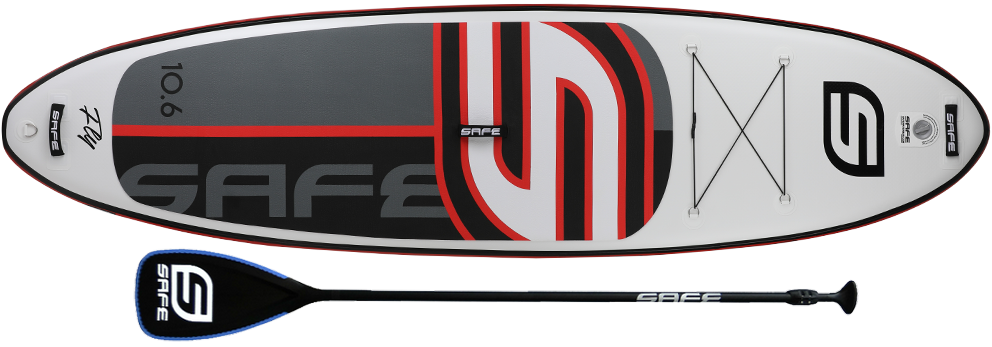
A SUP board is between 3 and 4 metres long, and these days it's almost always inflatable: it packs into a backpack and inflates through the valve in a few minutes. On top you have the non-slip foot pad, the carry handle and the bungee cords for a water bottle or dry bag; underneath, the fins that keep it tracking straight. The leash ties your ankle to the board: if you fall it stays within reach, and it's the most important piece of safety gear.
Leash: safety tether
Foot pad area
Carry handle
Bungee cords for gear
Inflation valve
Benefits of SUP
SUP is way more than a workout: it's a complete experience that combines physical activity, mental wellness and connection with the environment. Whether it's a short ride or a full-day tour, SUP brings you a sense of harmony and freedom you won't find in many other sports.
Full-Body Workout
Better Balance and Coordination
SUP requires you to balance your weight on an unstable surface, which builds stability and coordination over time. This kind of training sharpens your reflexes and can carry over to other sports or everyday activities, helping your body react better to different situations.
Cardio Benefits
Paddling at a moderate or fast pace makes for a great cardio workout, boosting lung capacity, getting blood flowing and building stamina. Even at a slow pace, SUP keeps your heart active, making it ideal for anyone who wants to stay fit without putting stress on the joints.
Stress Relief and Mental Wellness
Being surrounded by the sea or a natural setting while paddling helps clear your head and dial down stress. The steady rhythm of paddling, the sound of water and the scenery come together for a sort of active meditation that brings a real sense of calm and a deep connection with nature.
Focus and Mindfulness
SUP keeps you focused on direction and balance, which sharpens concentration and brings you fully into the moment. So it gives you a break from the daily rush while helping you practice mindfulness and clear thinking.
Easy to Pick Up, Easy to Adapt
One of the great things about SUP is how accessible it is: it works for all ages and fitness levels, can be done on the sea, lakes or rivers, and opens the door to tours, yoga sessions or just chill time out in nature.
*Got specific questions? Reach out to Marco here